
Deaths in Manipur's relief camps demand answers
The issue
On 17 September 2026 the Supreme Court, hearing the Manipur violence cases, recorded that 640 deaths had taken place in relief camps across eight districts, 34 of them unnatural. Post-mortems were done in only 20 of the 34. Twenty-five criminal cases had been registered, and investigation was complete in four. Compensation paid to families ranged from Rs 20,000 to Rs 30,000 in some cases to Rs 5 lakh to Rs 10 lakh in others. The Court directed the Chief Secretary to explain these gaps on affidavit, and asked the Manipur State Legal Services Authority to make sure FIRs are registered for every unnatural death.
The same order notes some progress. Passenger transport on National Highway 2 between Imphal, Dimapur and Guwahati resumed on 21 August 2026, and two Kuki-Zo MLAs attended the Assembly in Imphal for the first time in three years. Security forces have recovered 8,901 weapons. Trials move slowly: in the cases the CBI has charge-sheeted, 978 witnesses have been cited and six examined.
Ethnic violence between the Meitei and Kuki-Zo communities began on 3 May 2023.
Our view
A death in a relief camp is a death in the State's care. Every unnatural death needs an FIR, a post-mortem and an investigation that reaches a result. The Court should not have had to ask for this three years on. Compensation also needs one clear scale; payments that vary from Rs 20,000 to Rs 10 lakh for similar losses suggest that what a family received depended on which office it reached.
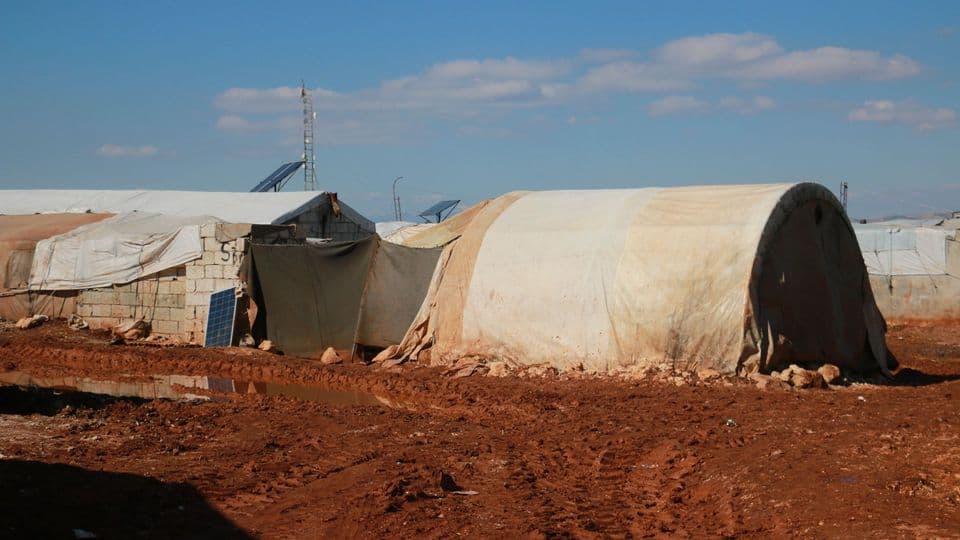
Relief camps are meant to last weeks. People have now lived in them for more than three years, often cut off from the hospitals in Imphal, with poor food and no work. Until they can go home, the camps need staffed health posts, regular medicine supply and a record of every death.
The signs of calm on the highway and in the Assembly give the government an opening. It should use it to plan safe return village by village: security guarantees, rebuilt houses, and farms and jobs to return to. Faster trials matter too. A victim who waits years to testify loses faith in the courts, and the Court's recommendation of two more NIA courts in Assam should be carried out quickly.
The other side
- Sending people home before the security situation is settled could expose them to fresh attacks, and long camp stays partly reflect caution.
- Administrative records in a conflict zone are hard to keep, and gaps may reflect strain more than neglect.
- Court monitoring can fix procedure but not the conflict itself, which needs a political settlement between communities.
Using it in Mains
This fits GS Paper 3 (internal security, ethnic conflict) and GS Paper 2 (vulnerable sections, the role of the judiciary). For BPSC, use it in internal security and social issues.
Q. Displacement in Manipur has lasted more than three years. Examine the humanitarian and security dimensions of the crisis and suggest steps for durable return.
- Deaths in camps: 640 in all, 34 unnatural, 20 post-mortems.
- Article 21 and the State's duty of care to displaced persons.
- Slow trials: 978 witnesses cited, six examined.
- Openings: NH-2 reopened, MLAs back in the Assembly, arms recovered.
- Keywords: internally displaced persons, durable solutions, reconciliation, judicial oversight.
Sources: Supreme Court of India, Record of Proceedings, 17 September 2026
Want help planning your preparation?
Book a free call and a counsellor will ring you, in Hindi or English.