
A weak monsoon should shape the rabi plan now
The issue
From 1 June to 9 September 2026, rainfall over India as a whole was 15% below its long period average (LPA), according to the India Meteorological Department (IMD). The shortfall is uneven: 24% in east and northeast India, 27% in the south peninsula, 9% in northwest India and 7% in central India.
IMD's outlook of 31 August expects September rainfall to be below normal, under 91% of the LPA for the month, which is about 167.9 mm. El Niño conditions, the warming of the central and eastern equatorial Pacific that usually weakens the Indian monsoon, prevail and are expected to strengthen. The Indian Ocean Dipole (IOD) is neutral, though some international centres expect it to turn positive, which in some past years has softened El Niño's effect. By IMD's categories, a season below 90% of the LPA is deficient.
Our view
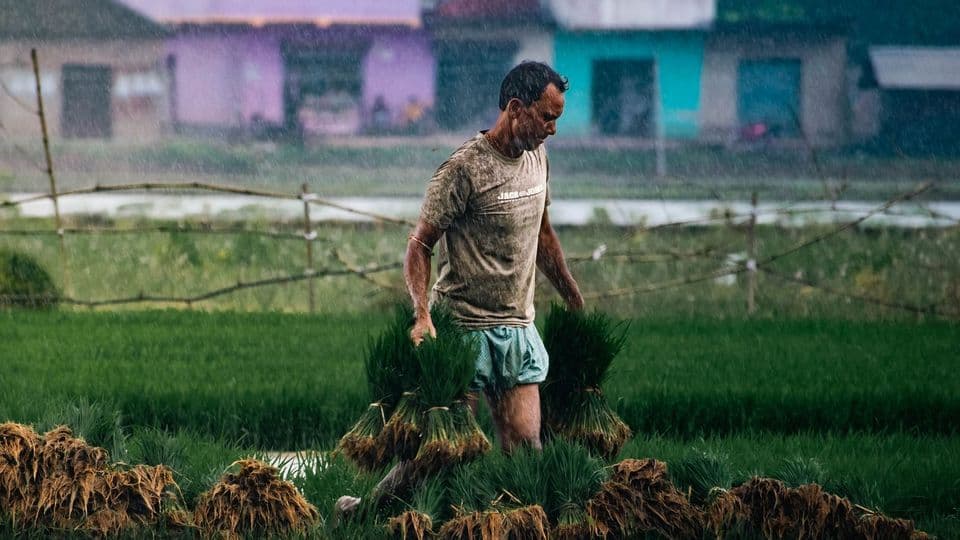
The national average hides where the damage falls. East India, including Bihar, Jharkhand, West Bengal and Odisha, grows much of the country's rice on rain. A deficit of a quarter there means late transplanting, lower yields and less work for farm labour. In the south peninsula the larger worry is the reservoirs that feed rabi crops and city water supply in the coming months.
States should plan for a dry rabi now instead of waiting for a formal drought declaration. District contingency crop plans already exist; they should be put to use, with seed of short-duration pulses and oilseeds for fields where rice failed or was never sown. Reservoir releases should be set for drinking water first. Fodder banks and work under MGNREGA will matter in villages where the kharif crop has failed.
Bihar shows why the geography matters. North Bihar still faces floods from rivers that rise in Nepal while the south of the State, in Magadh, runs short of rain. A State plan has to hold both at once, which a single rainfall average cannot show.
The other side
- More farmland is irrigated than in past El Niño years, so output may fall less than rainfall does.
- Late-season rain and the northeast monsoon over Tamil Nadu and coastal Andhra Pradesh could still narrow the southern deficit.
- Acting early on a forecast that later improves can waste money, and States often wait for crop-cutting data before they declare drought under the national drought manual.
Using it in Mains
This fits GS Paper 1 (Indian monsoon, El Niño, IOD) and GS Paper 3 (agriculture, disaster management). For BPSC, use it in the geography of India and Bihar and in the paper on the economy.
Q. Explain how El Niño and the Indian Ocean Dipole affect the Indian monsoon. What steps should States take when the monsoon falls short?
- Mechanism: Walker circulation, El Niño, positive and negative IOD.
- Regional pattern of the 2026 deficit: east and south worst hit.
- Contingency crop plans, rice fallows and short-duration pulses.
- Reservoir management and drinking water priority.
- Keywords: long period average, deficient monsoon, drought declaration, climate resilience.
Sources: IMD, Extended Range Forecast, 10 September 2026; IMD, Monthly Outlook for September 2026
Want help planning your preparation?
Book a free call and a counsellor will ring you, in Hindi or English.